
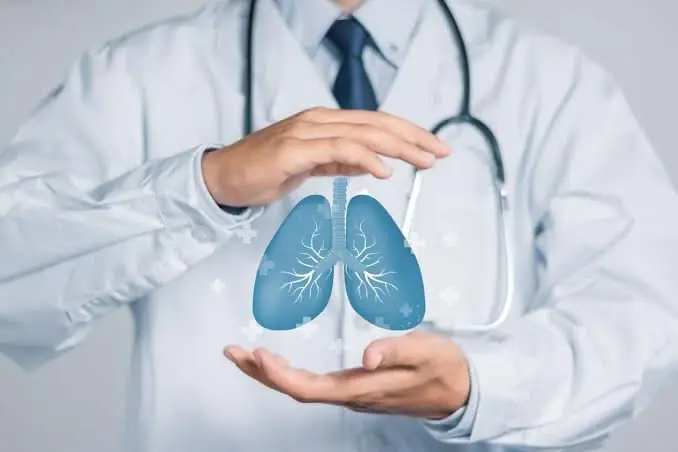
Healthy lungs are essential for a healthy life. The respiratory system plays a vital role in supplying oxygen to the body and removing carbon dioxide. Maintaining good respiratory health helps improve energy levels, support physical activity, and maintain overall well-being.
Factors such as air pollution, smoking, allergies, respiratory infections, and lifestyle habits can affect lung health. Proper respiratory care, regular medical checkups, and timely treatment can help protect your lungs and improve breathing.
What Is Respiratory Care?
Respiratory care focuses on the prevention, diagnosis, treatment, and management of conditions affecting the lungs and respiratory system. It includes respiratory assessments, breathing therapies, oxygen support when medically required, and personalized treatment plans.
Respiratory healthcare professionals help patients manage breathing difficulties, improve lung function, and maintain a better quality of life.
Importance of Respiratory Care
1. Improves Breathing Function
Proper respiratory care helps manage breathing difficulties and supports better lung function.
2. Helps Manage Lung Diseases
It supports the treatment and management of respiratory conditions such as asthma, COPD, bronchitis, and pneumonia.
3. Supports Healthy Lung Function
Regular medical assessments help monitor respiratory health and identify potential problems early.
4. Reduces Respiratory Complications
Timely diagnosis, appropriate medications, and preventive measures can help reduce the risk of complications.
5. Improves Quality of Life
Effective respiratory treatment can help individuals breathe more comfortably and participate in daily activities.
Common Respiratory Conditions
Some common respiratory conditions that require medical attention include:
- Asthma
- Chronic Obstructive Pulmonary Disease (COPD)
- Bronchitis
- Pneumonia
- Pulmonary Fibrosis
- Sleep Apnea
- Respiratory Tract Infections
- Chronic Cough
Recognizing symptoms such as persistent coughing, wheezing, chest tightness, and shortness of breath can help individuals seek timely medical care.
Types of Respiratory Care Services
Respiratory care may include several medical services depending on individual patient needs:
- Pulmonary Function Testing
- Oxygen Therapy
- Nebulization Therapy
- Breathing Exercises
- Respiratory Infection Management
- Asthma Management
- COPD Management
- Chest Physiotherapy
- Pulmonary Rehabilitation
- Respiratory Health Assessments
Tips for Maintaining Healthy Lungs
Following healthy habits can help protect your respiratory system:
- Avoid smoking and secondhand smoke.
- Stay physically active and exercise regularly as appropriate.
- Reduce exposure to dust, pollution, and harmful chemicals.
- Maintain good indoor air quality.
- Practice proper hand hygiene to reduce infections.
- Stay hydrated and follow a balanced diet.
- Follow prescribed medications and treatment plans.
- Attend regular medical checkups if you have respiratory conditions.
When Should You Seek Respiratory Care?
Consult a healthcare professional if you experience persistent coughing, frequent wheezing, recurring respiratory infections, chest discomfort, or unusual shortness of breath.
People with asthma, COPD, or other lung conditions should follow their prescribed treatment plans and attend regular follow-up appointments.
Sudden or severe breathing difficulty requires immediate medical attention.